The first purchases were recommendations. The reasons to keep them came later.
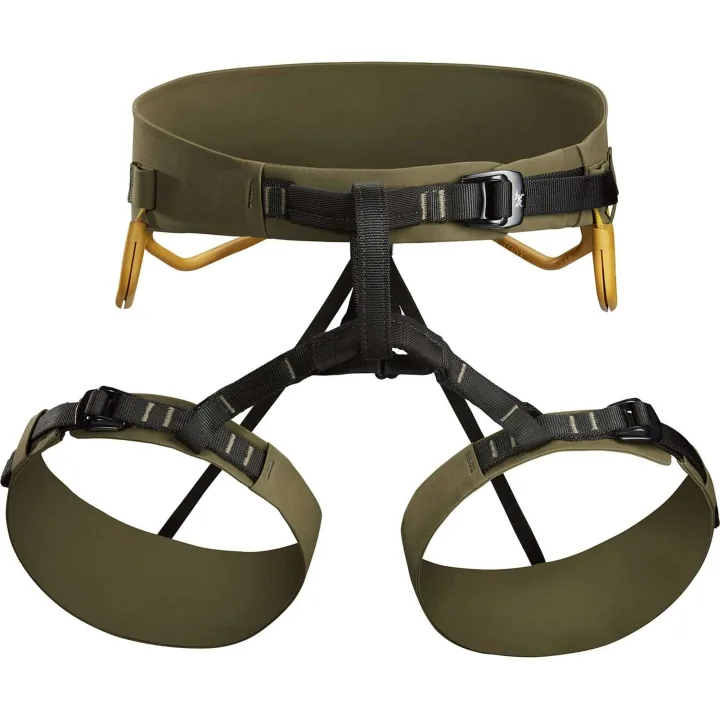
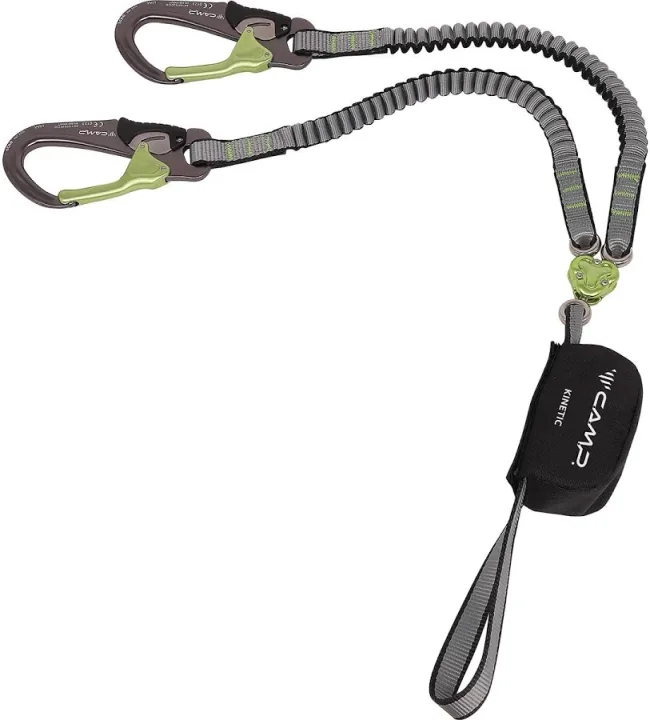
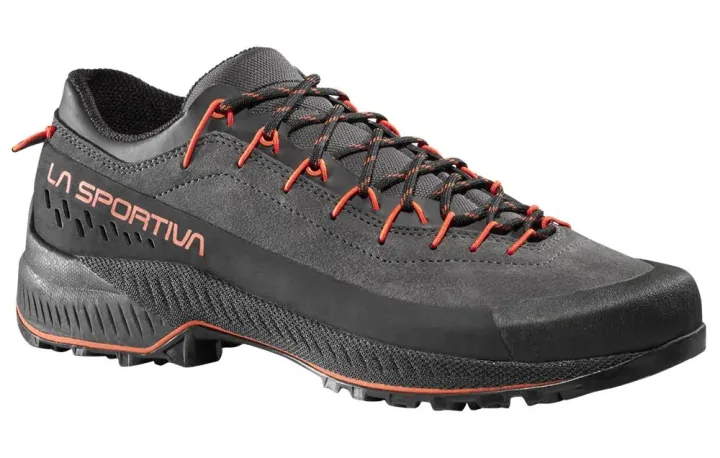
When you start Via Ferrata, you need equipment before you have the experience to judge it. I started in much the same place as anyone searching for a first setup: reading recommendations, comparing what was available and trying to decide which opinions deserved trust. Black Diamond Stone gloves, the Solution harness and La Sportiva TX4 all entered the picture through that process. The first CAMP set was a choice made from research and preference, before there was any climbing experience behind it.
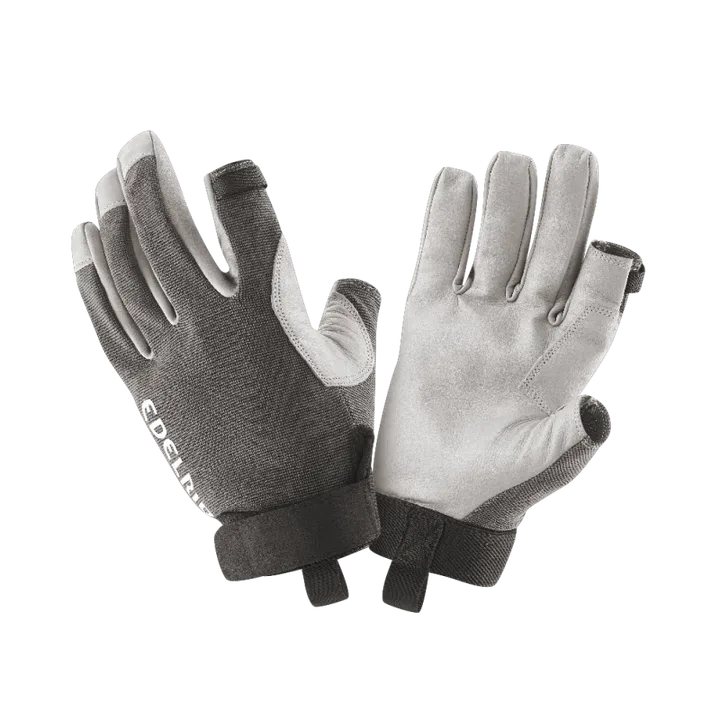
Buying the equipment only started the assessment. Fixed harness leg loops slipped towards the knees. The stitched finger openings of the Stone gloves became painful under a hard grip on steel cable. The TX4 delivered the grip on rock that made it worth keeping, then long sections on rungs exposed what more I wanted from the sole. These are the experiences that changed the setup. A recommendation got an item through the door; use gave it a job, exposed a limitation or moved it aside.
The setup changed as the climbing asked more of it.
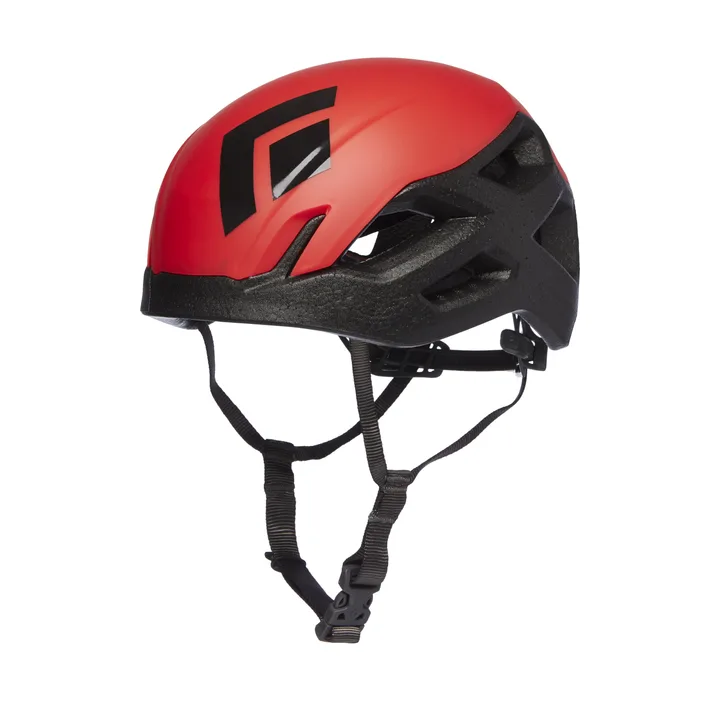
The AR-395a brought adjustable leg loops. Gloves became a choice between three different kinds of coverage, with the Edelrid 2+3 pair taking over most outings from the half-finger Stone. Spending more on the CAMP GYRO set made it possible to judge what a swivel actually contributed. The red Vision followed the first blue one because the protection, fit and ventilation had given me reasons to stay with the model.
Those decisions belong together. If painful fingers occupy all your attention, there is less attention left for movement. If a carabiner does not suit the hand, that matters again at every change of cable section. If the resting arrangement is difficult to reach when tired, knowing its dimensions is not enough. Equipment should help you concentrate on the climb. The details become important when they interfere with doing that.
There is a budget behind every comparison.
This is self-funded equipment. Trying every harness, shoe and Via Ferrata set would cost a great deal, and owning several alternatives already makes that clear. When buying the second AR-395a, I considered other harnesses and returned to the model I knew. The higher leather GTX TX4 and Aequilibrium ST or LT are still future purchases, not equipment I can already give you a verdict on.
That does not weaken the experience with the equipment that is here. It defines what that experience can tell you. I can explain why the low TX4 has stayed, where it hurts and what I want to investigate next. I cannot turn that into a claim that every alternative would be worse. Being clear about the decision is more useful than declaring another universal winner.
The equipment stays under examination.
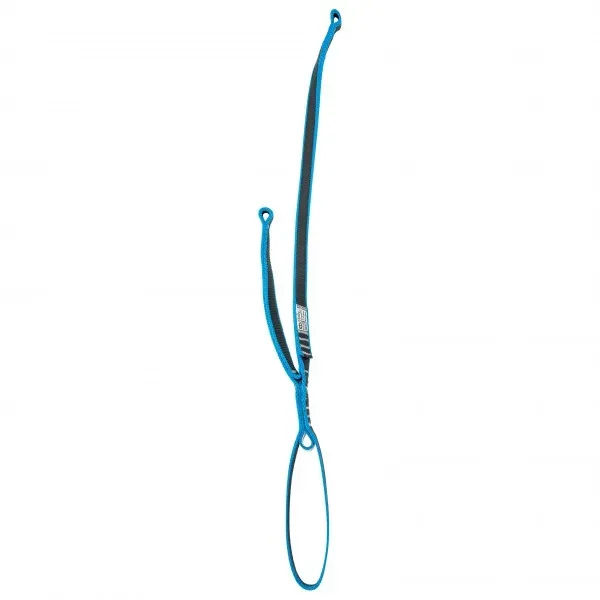
Coming back to Via Ferrata after a two-year break made that especially clear. Less strength and more indecision changed how the resting system behaved in practice. The long Ypsilon arm saw more use, reaching it quickly mattered more, and the old organisation was no longer enough. The equipment had not changed. What I needed from it had.
That is why these pages include the history and the unfinished questions. Follow the decision through, compare it with your own routes, hands, feet, budget and intentions, and decide whether the same choice makes sense. You do not need to buy the whole setup to benefit from the years behind it. The climbs and equipment discussions on JetSetYourself show where these conclusions come from; the six articles below explain each choice in detail.